
An aortic dissection is a tear in the inner layer of the aorta, causing blood to flow between the layers of the aortic wall causing a life-threatening emergency.

Sudden, severe chest or upper back pain, often described as tearing or tearing, is common.
More rare symptoms that indicate a complication of the dissection include
Not all dissections require surgery, but all dissections require hospitalisation and medicine with serial scans to check for changes.
Aortic dissections require urgent medical attention. Treatment involves medications to lower blood pressure and heart rate, usually performed in the intensive care unit. Sometimes, depending on your dissection type, you may or may not also require surgery.
Dissections that begin at the beginning of the aorta as it exits the heart are called ‘type A’ dissections and require immediate surgery to prevent death. Cardiothoracic surgeons perform this operation.
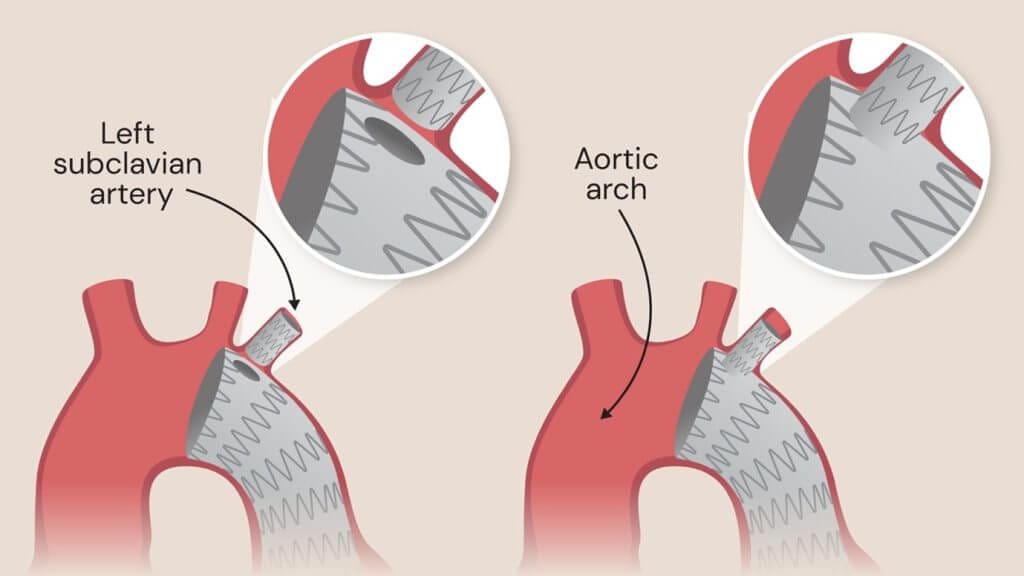
Vascular surgeons repair type B dissections that occur slightly further along the aorta after the vessels to the brain and arms come off the aorta. They are best managed with medicine in the hospital, with surgery reserved for patients who have problems getting blood to their legs or organs. Some patients are candidates for surgery after a few weeks from when their dissection occurs to prevent problems years later with their aorta. The surgery used for type B dissections is a large fabric-lined stent. Some patients also require a bypass or additional stents to maintain flow to their left arm and brain.

Aortic dissection is a complicated condition that requires a long conversation about its implications and cannot easily be explained through website content delivery.
An aortic dissection is a tear in the inner layer of the aorta, causing blood to flow between the layers of the aortic wall causing a life-threatening emergency.